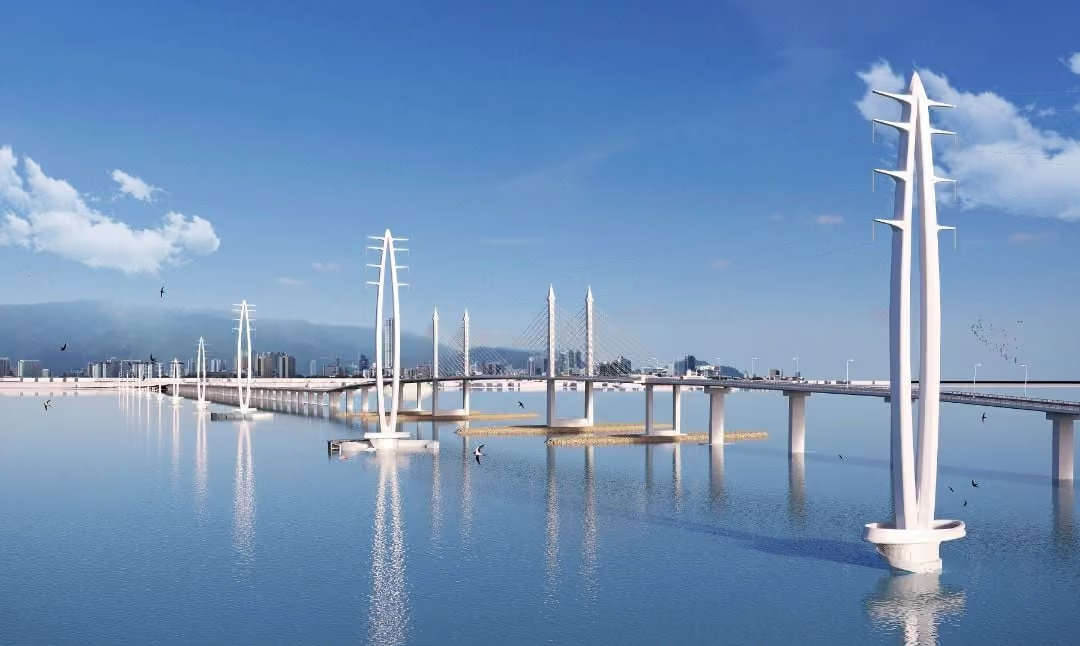
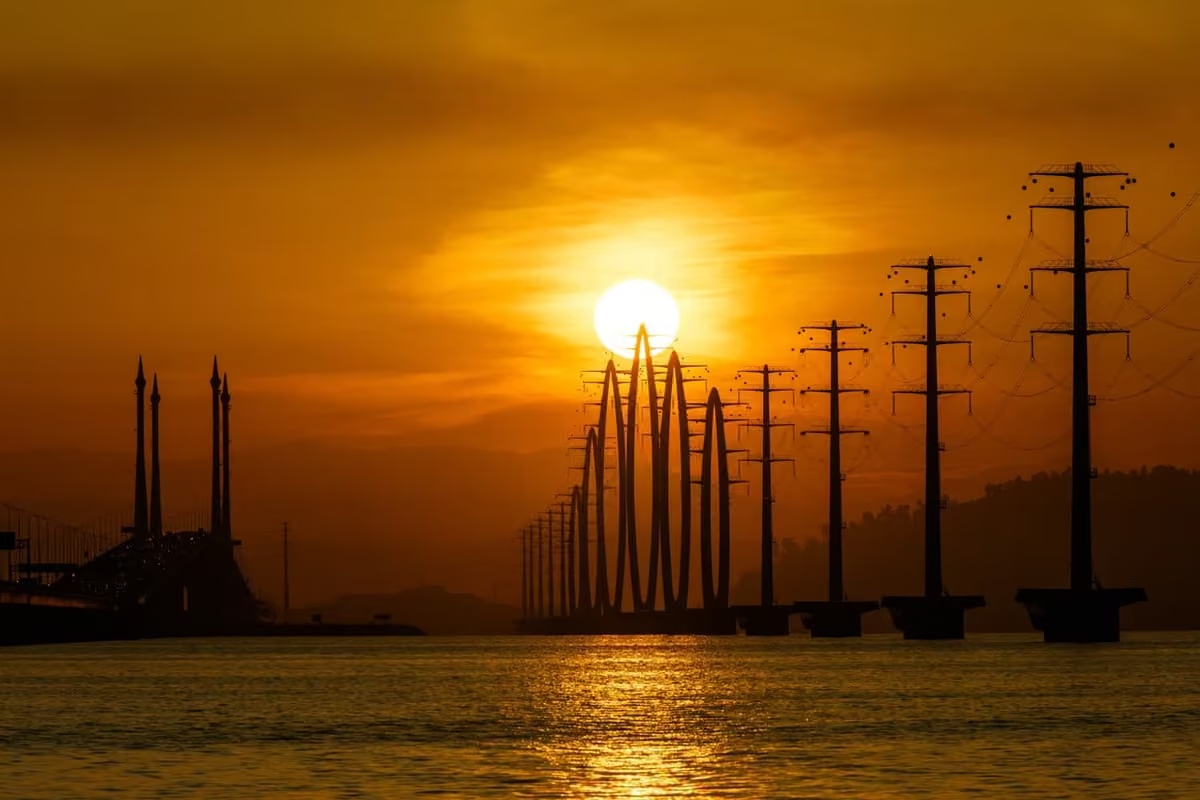
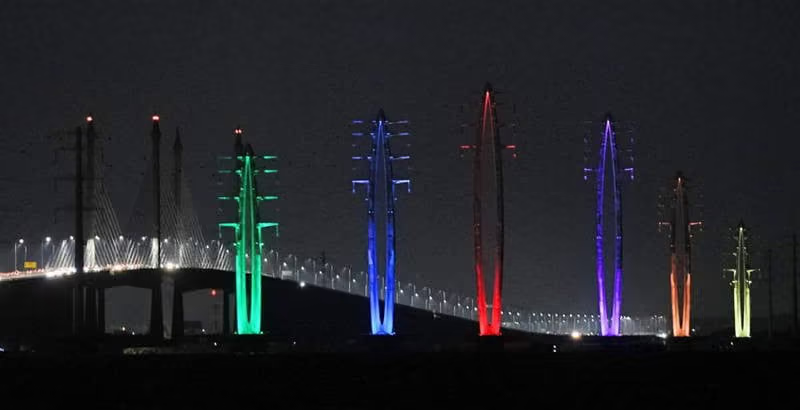
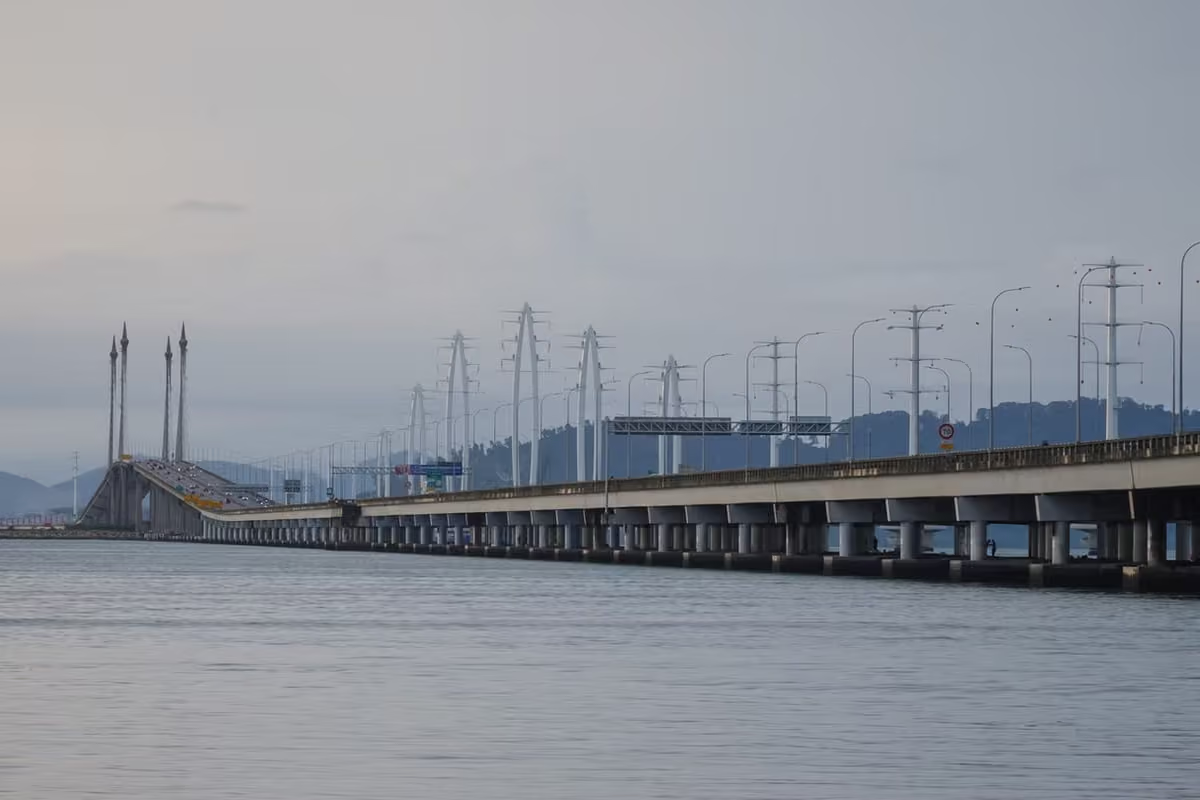
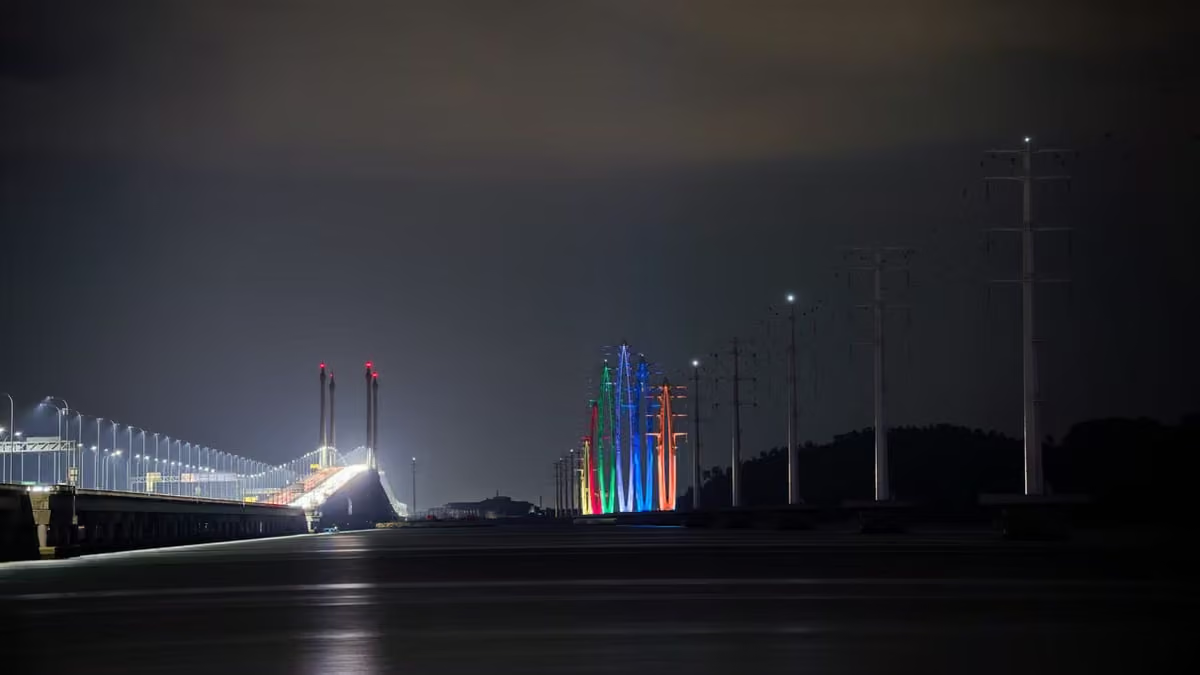
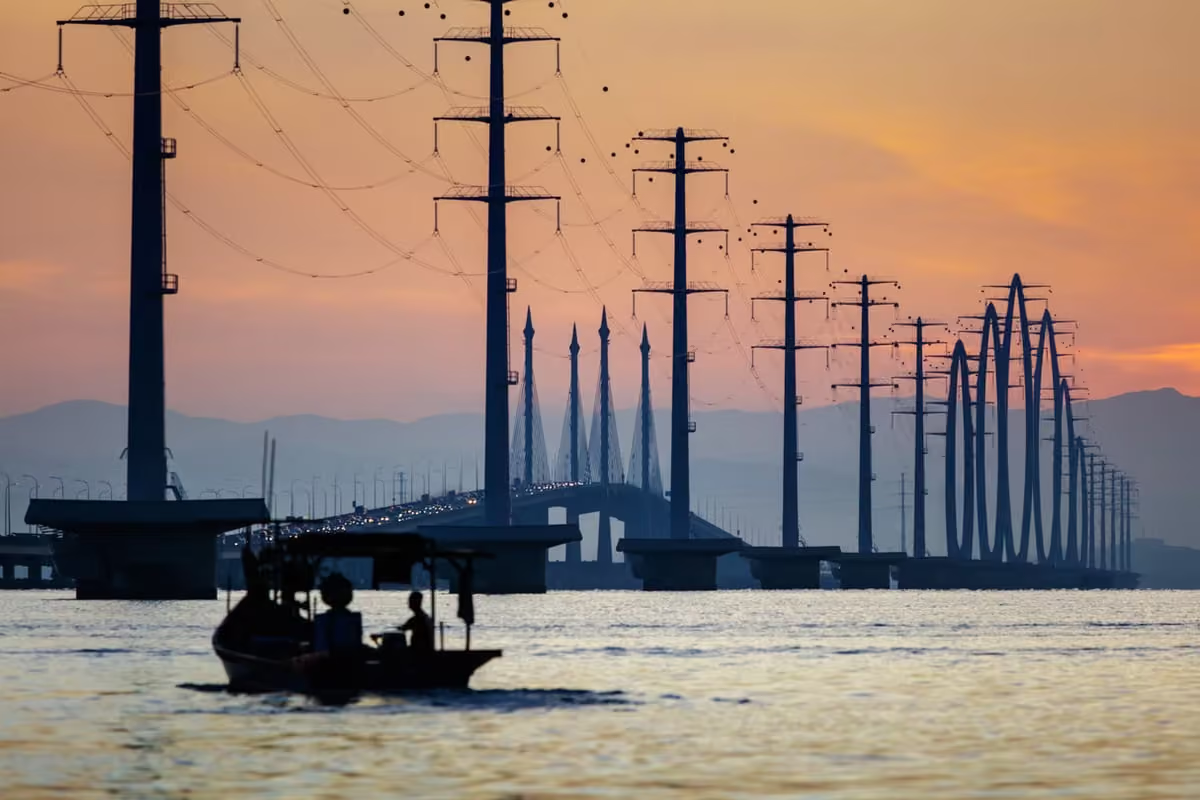
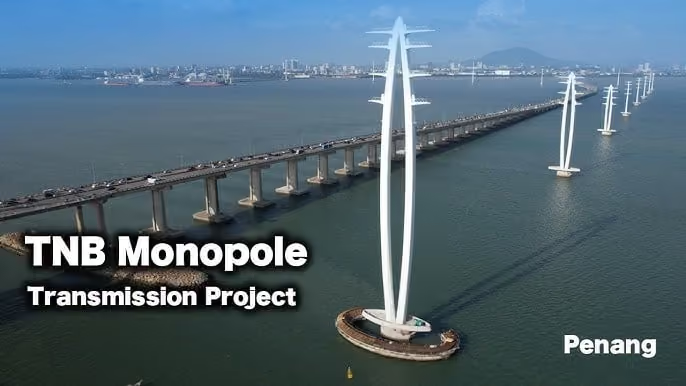
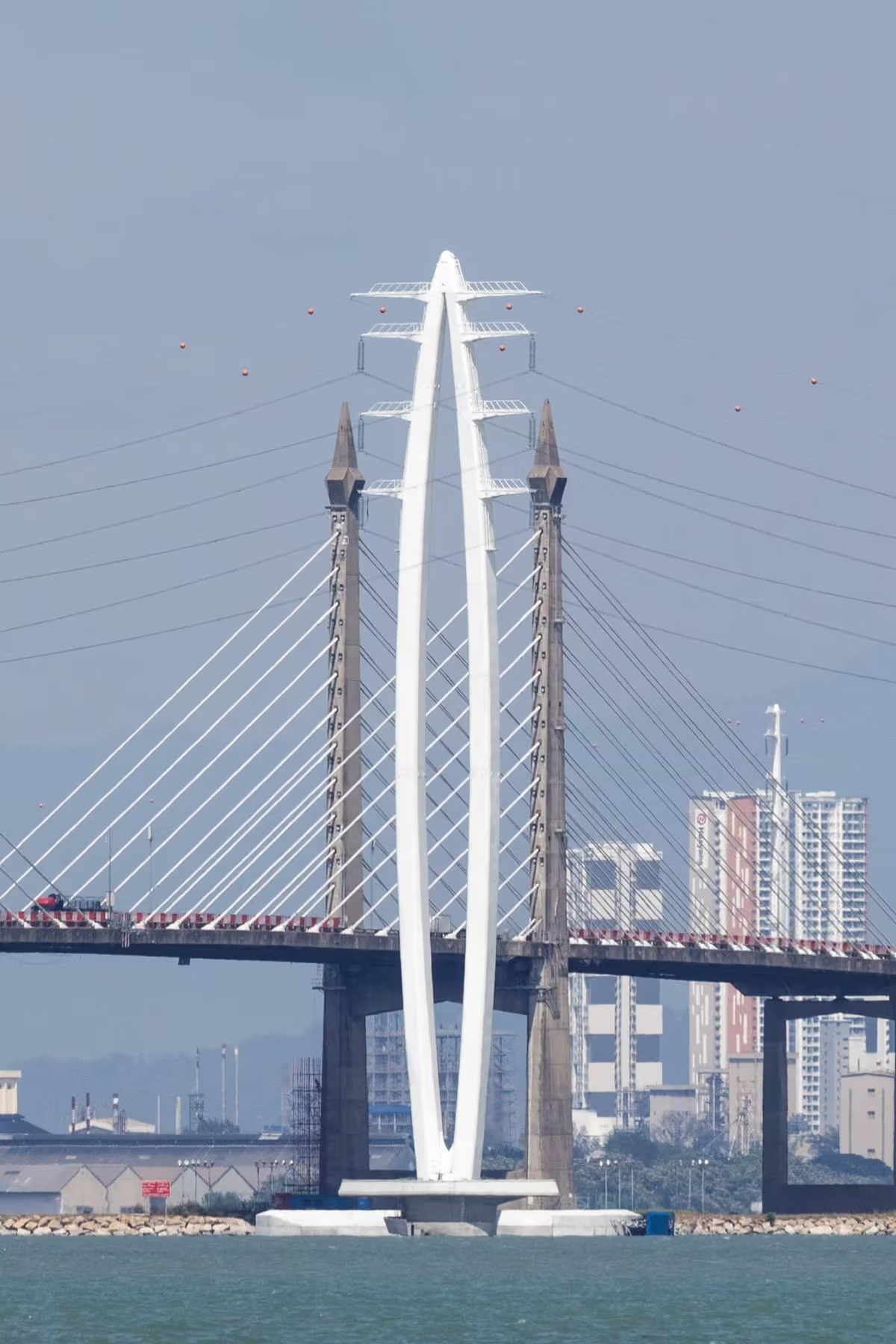
The project features 22 iconic electrical transmission pylons designed to carry high-voltage lines across the Straits of Penang from Prai Power Station to PMU Gelugor. Commissioned by the Penang Development Corporation, these above-sea structures were chosen as a cost-effective and aesthetically superior alternative to undersea cabling. Inspired by the betel nut (Pinang), the pylons serve as landmark infrastructure complementing the Penang Bridge. By integrating engineering performance with architectural expression, the project demonstrates how essential utility infrastructure can enhance a prominent coastal landscape and serve as a site-responsive public statement.
The TNB Monopole Transmission Towers utilize the "betel nut" (Areca Catechu/Buah Pinang) as a cultural metaphor for an architectural expression in engineering infrastructure. The design consists of six pylon types that share a unified, slender configuration while varying in height up to 125m to meet technical and navigational requirements. Strategically positioned next to the Penang Bridge, these pylons transition from conventional utility poles into "objects of curiosity" and iconic landmarks. The monopole design reduces the physical footprint in the marine environment compared to traditional lattice towers. Technical features, including maintenance decks at +6.68 LSD, internal cat ladders, and solar-powered aviation lights, ensure operational efficiency while ensuring safety for the locals who use the straits on a daily basis. This project proves that infrastructure can balance practicality with visual beauty, showing state identity and setting a new benchmark for iconic utility design in Malaysia.
The TNB Monopole project is a poetic intervention in the Straits of Penang, where utility infrastructure transcends its functional roots. By rejecting standard lattice typologies for a slender, rhythmic silhouette inspired by the Pinang (betel nut) palm, the design honors its regional context. Strategically aligned with the Penang Bridge, the pylons respond to maritime constraints through varied heights for vessel clearance and maintenance decks to withstand tidal surges. This site-specific approach minimizes marine displacement while transforming a high-voltage transmission line into a sophisticated cultural landmark that preserves the coastal vista